











 by appointment only
555 Capitol Mall, Suite 785, Sacramento CA 95814
by appointment only
555 Capitol Mall, Suite 785, Sacramento CA 95814

San Francisco Restraining Order Lawyer
Protecting Your Safety, Rights, and Future in San Francisco Restraining Order Cases
Our experienced San Francisco restraining order lawyers represent clients across the city in all aspects of restraining order law, including domestic violence matters, providing compassionate advocacy for domestic violence victims.




our firm
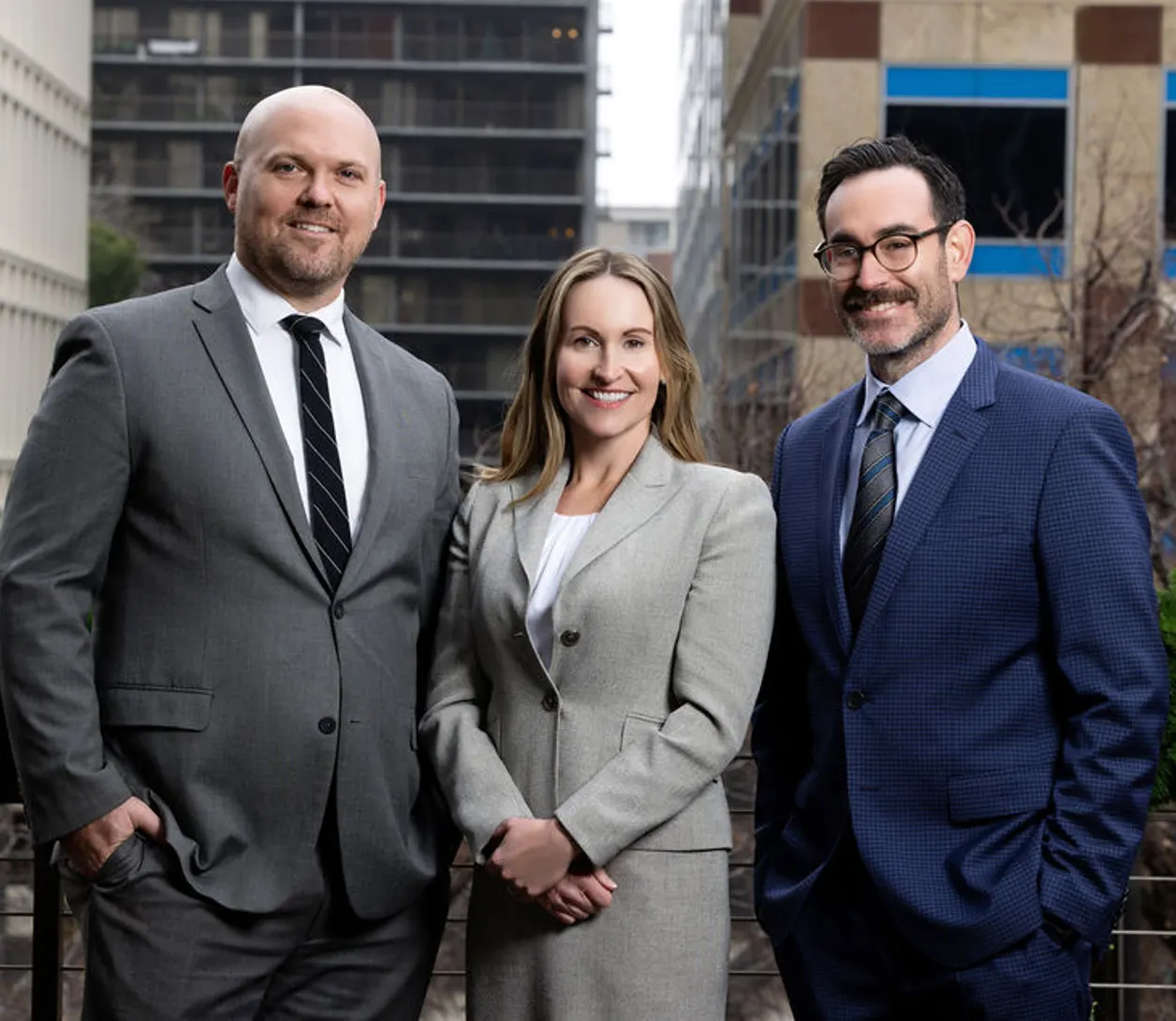
Our Seasoned Restraining Order Attorneys: Experience You Can Trust
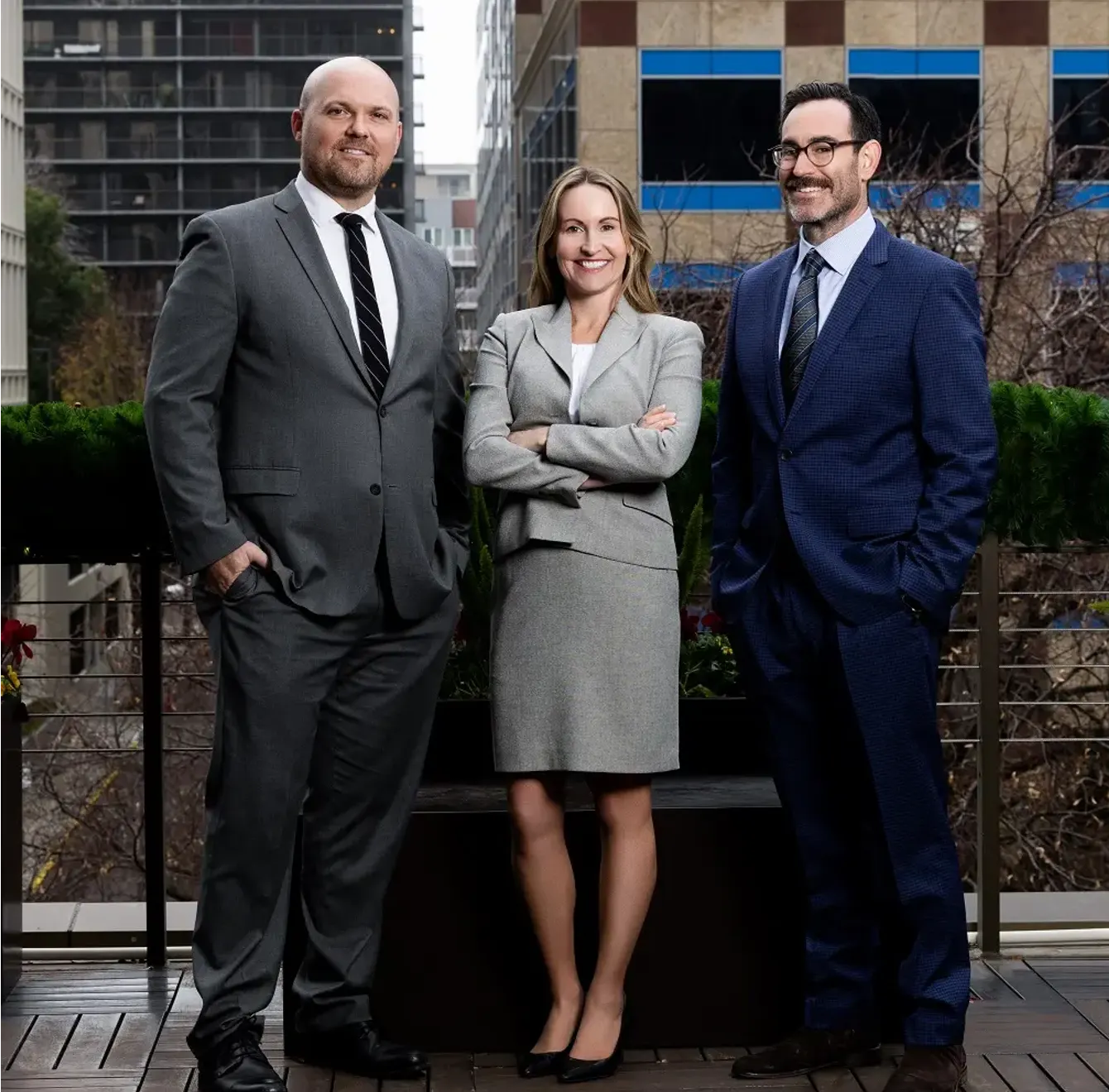
With over 40 years of combined experience, the attorneys at Hopper Hopper & Strebe represent clients throughout San Francisco, the Bay Area, and Northern California in high-stakes family law matters. We handle restraining orders and domestic violence cases with compassion, urgency, and strategic preparation. Every client works directly with an attorney who listens carefully, explains your options clearly, and takes swift action to protect your rights, safety, and future.
Get a Free Consultation for Your Restraining Order Case Now
Get immediate, confidential legal help from an experienced San Francisco restraining order attorney.
Types of Restraining Orders Our Law Firm Handles
At Hopper Hopper & Strebe, our practice is dedicated exclusively to family law, including restraining orders arising from intimate and domestic relationships. We provide experienced legal representation for clients facing emotionally charged and complex situations such as domestic violence, protection requests, and strong defense against false allegations.

Domestic Violence Restraining Orders (DVRO)
Protect victims of abuse from a current or former spouse, partner, fiancé, or cohabitant. These cases often intersect with family law matters such as divorce, custody, or child support. We help clients file and defend domestic violence restraining orders in the San Francisco family court.

LGBTQIA+ Family and Relationship Restraining Orders
We proudly represent individuals in same-sex and LGBTQIA+ relationships, recognizing that abuse and control can occur in all types of partnerships. Our restraining order lawyer in San Francisco approaches these cases with respect, sensitivity, and confidentiality, ensuring your safety and rights are protected under California’s domestic violence laws.

Elder or Dependent Adult Abuse Restraining Orders
Our restraining order attorneys protect vulnerable family members, including parents, grandparents, and dependent adults, from neglect, abuse, or financial exploitation by trusted individuals or relatives. Our San Francisco family law firm focuses exclusively on family law restraining orders, covering relationships involving marriage, domestic partnerships, cohabitation, shared parenthood, and other close domestic ties.
The Restraining Order Process in San Francisco
The restraining order process can move quickly and be overwhelming. Understanding the types of restraining orders available in California is an important first step, as each serves a different purpose and has a different duration.
Violating a restraining order is a criminal offense that may lead to arrest, fines, and jail time. Our lawyers make sure you understand the legal process, help prepare your documents and evidence, and advocate for you in court.
- Emergency Protective Orders (EPOs): Granted by law enforcement and valid for up to seven days in urgent cases.
- Temporary Restraining Orders (TROs): Provide protection until your court hearing, usually within 21 days.
- Permanent Restraining Orders: If the judge finds ongoing risk or abuse, an order can be issued for up to five years.
Need Immediate Help After Domestic Abuse?
Contact us now for a confidential consultation with a San Francisco restraining order attorney.
Voices of Gratitude and Trust

“I highly, highly recommend Hopper Hopper & Strebe! I was served by my ex spouse and their atty for a divorce. My ex had an atty who absolutely wasn’t doing anything for an entire year. I hired Hopper Hopper & Strebe and Jessica and her staff got my divorce done fast!! Her and…”
Ann Puig

faq
FAQs on Restraining Order in San Francisco
How long does a restraining order last in San Francisco, California?

A temporary order usually lasts until your hearing (about 3 weeks), which is why working with a temporary restraining order lawyer early can help you prepare. A permanent restraining order can last up to 5 years and can be renewed if needed.
Do I need a restraining order lawyer to file or respond to a restraining order?
You can file or respond without one, but working with our experienced attorney significantly improves your chances of success. The California laws are complex, and the consequences for you and your family are serious.
What protection can a domestic violence restraining order provide?
A restraining order can require the abuser to stay away from you, your home, and your workplace; stop all contact; move out of a shared residence; and, in some cases, grant you temporary custody of children or pets.
What should I do if the abuser violates the restraining order?
Call 911 immediately. Violating a restraining order is a criminal offense in California and can result in arrest, fines, and jail time. Keep records of all violations and inform your San Francisco attorney as soon as possible.
Our locations
Protecting Clients Across San Francisco and Beyond
Based in San Francisco, our law firm proudly represents clients across the city and throughout its surrounding neighborhoods, providing focused legal support in urgent restraining order matters, including:
Sacramento County
by appointment only
555 Capitol Mall, Suite 785, Sacramento CA 95814
Placer County
 by appointment only
916 Highland Pointe Drive, Suite 250, Roseville CA 95678
by appointment only
916 Highland Pointe Drive, Suite 250, Roseville CA 95678
El Dorado County
-
 El Dorado Hills
-
Placerville
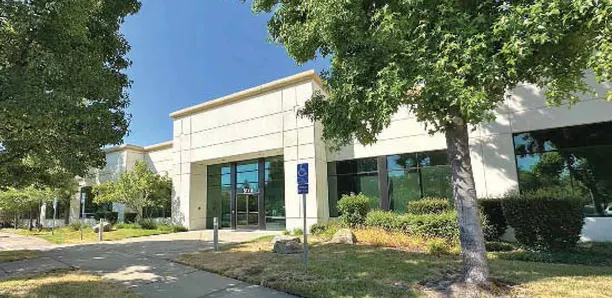 by appointment only
5170 Golden Foothill Pkwy, El Dorado Hills, CA 95762
by appointment only
5170 Golden Foothill Pkwy, El Dorado Hills, CA 95762
Yolo County
San Francisco County
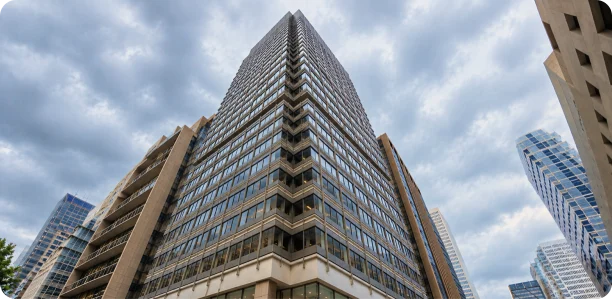 by appointment only
100 Pine Street, Suite 1250, San Francisco, CA 94111
by appointment only
100 Pine Street, Suite 1250, San Francisco, CA 94111
Contra Costa County
Amador County

contact us
Need Family Law Help with a Restraining Order?
Don’t face a restraining order alone. Whether you need to protect yourself or defend against false allegations, Hopper Hopper & Strebe can help.
Thank you — we will be in touch shortly.